
Heavy Hugs Company wins 'Best Product/Service’ Award
Published 05/03/25
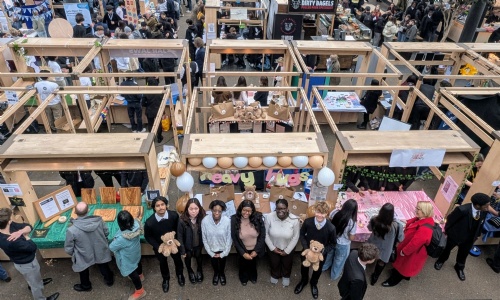
On Tuesday 25th February, our team of students had the incredible opportunity to represent the school at Old Spitalfields Market as part of the Young Enterprise Programme.
On Tuesday 25th February, our team of students had the incredible opportunity to represent the school at Old Spitalfields Market as part of the Young Enterprise Programme.
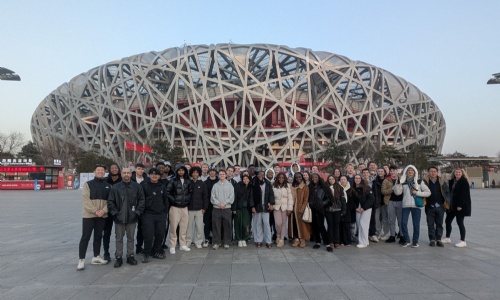
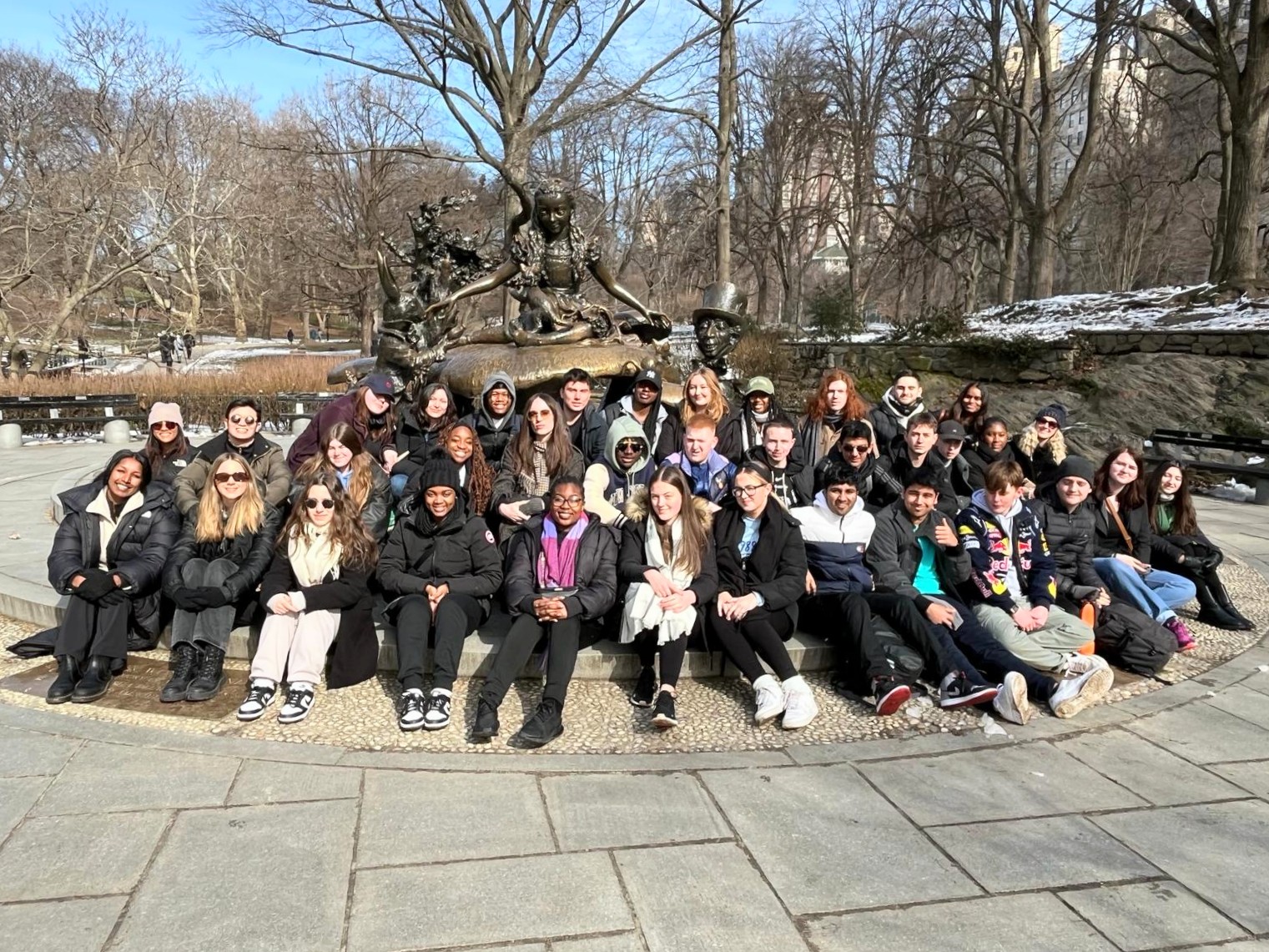
During the February half-term, a group of 40 Business and Economics students went to China, accompanied by Mrs Harris, Mr Joe, Mr Dhir, and Mr Cheuk.
.png)
 It’s a common misconception that economics is boring and too complex for the average person to understand. I remember speaking to my particularly talkative hairdresser about studying economics, to which she replied “I could never study that” and “It’s all just a bit confusing really”. And while I don’t deny that economics can be challenging, I also believe that economics IS for everyone and that it can be applied to our daily lives much more than you might think.
Take choosing what to do on a Saturday afternoon, for example. You might decide to meet friends for lunch, but that means giving up the chance to watch your favourite TV show. In economics, this is called opportunity cost, which means that when you choose one thing, you’re giving up the next best alternative. Economists use this idea to analyse decisions on a much larger scale. For instance, when a government decides to spend more on healthcare, it might have to cut funding for education. Or when a government chooses to invest in improving roads, it might have to delay funding for expanding public transport. However, the same principle of opportunity cost applies on a small scale in our everyday decisions, even if we don’t realise it.
Imagine walking into a store and seeing a jacket marked down from £100 to £50. Suddenly, it feels like an incredible deal, even if you wouldn’t have considered buying it at £50 to begin with. This is anchoring bias, a concept from behavioural economics, which looks at how we fixate on the first piece of information we see—like the original price—and lets it shape how we judge value. Economists study anchoring to understand how it affects consumer behaviour, helping businesses set prices that feel more attractive. And we, as consumers, experience its effects every day, often without even noticing it.
Take eating chocolate, for example. The first piece might taste amazing, but by the fifth or sixth, the enjoyment starts to wear off. In economics, this is known as the diminishing marginal utility—the more of something we have, the less satisfaction we get from each additional unit. Economists use this concept to understand why people often prefer variety and why demand for a product may decrease as consumption increases. It also explains why companies introduce new flavours or limited-edition products to keep consumers interested. However, we experience diminishing marginal utility all the time, whether it’s scrolling through social media or playing your favourite game.
I hope you can see that economics isn’t just about numbers and theory: it’s something we experience every day. Whether it’s choosing what to watch or how governments spend billions, economics is constantly shaping our world in ways we don’t always notice.
If you're interested in learning more about economics, feel free to reach out to me or any economics teacher for further information.
James Orchard, Year 13

.jpg)
On Thursday of last week, Steven Varty, a past student at BGS, spoke to a large group of Year 12s about the opportunities of a career in finance and banking. He discussed his successes and challenges as an Executive Director at Santander and spoke about the benefits of this industry.
Since joining the bank, his role has progressed to becoming the Sector Head of Trade & Working Capital. This informative talk opened the eyes of many students, demonstrating how rewarding a career in banking can be. Personally, as someone who was already hoping to follow a similar career path, I found Steven’s talk extremely helpful and reassuring, as he was completely honest about his experiences and how his career has developed since leaving Bexley Grammar School. This was very exciting to hear as I am someone who will be making decisions to hopefully pursue my own career in banking in just under a year. Not only was Steven’s talk beneficial for those already interested in banking, but many of my friends and other students in the year are now considering this future. Despite this talk having a focus on finance, Steven shared his knowledge of the recruitment process, including interview and application advice, making everyone at the talk feel much more educated and confident to make an informed decision when it comes to applying in the future.
Megan Butler, Year 12
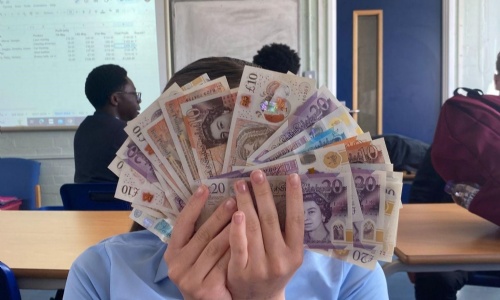

Last term saw Year 10 Business Studies students participate in the 10X Challenge by Young Enterprise. Students arranged themselves into groups and were loaned £10 from the school. They had five weeks to start up and run their businesses and the results have been phenomenal! Students were able to put theory into practice and source the best (or cheapest) suppliers, conduct market research, develop their sales skills, improve their customer service and fine tune their finance skills. The businesses included services such as patio cleaning and car washing, while products included jewellery and bubbles to name a few. It certainly created a buzz in the year group. After students repaid their £10 loans (£230 in total, with 23 groups), the total profits made were £4506.30! Students will be spending this on a variety of things, including summer activities and donations to charity. Well done to all who participated. You should be very proud of yourselves!
Mrs Harris, Head of Business & Economics
“A big thanks to everyone who took part in our Elite Events tournaments and a huge well done to our Year 7 and Year 10 football winners who played superbly to secure their wins!”
Diego, Year 10
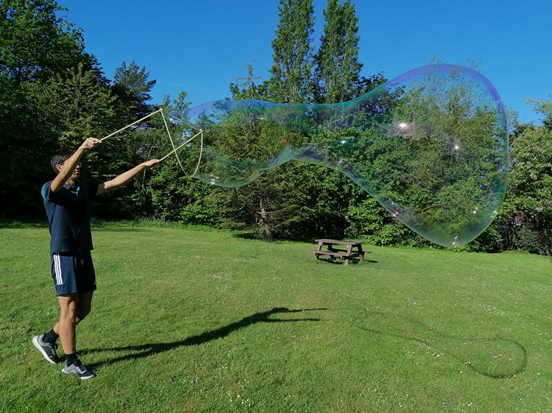
“Fantastic experience and really inspiring to get out into the world of work and earn money.”
Kieron & Phillip, Year 10
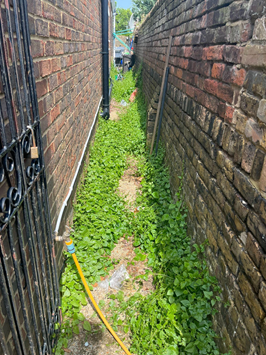
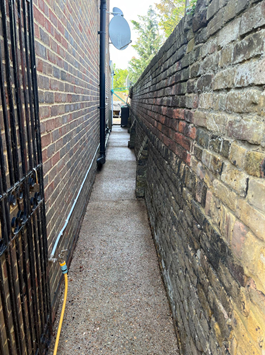

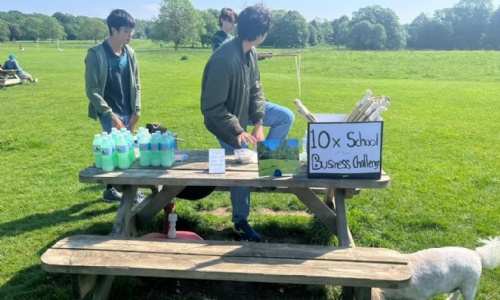
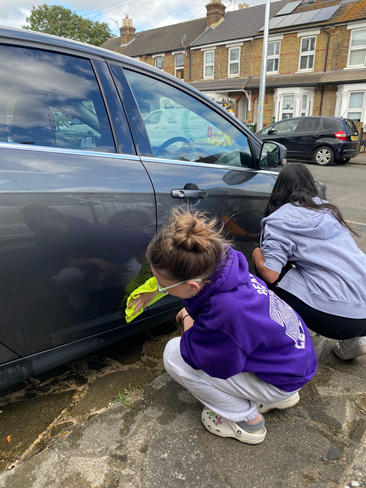
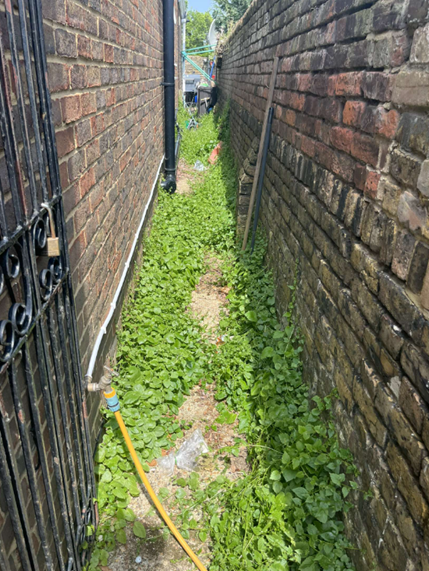
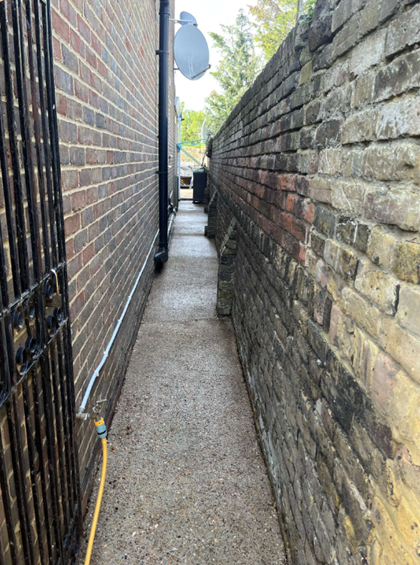
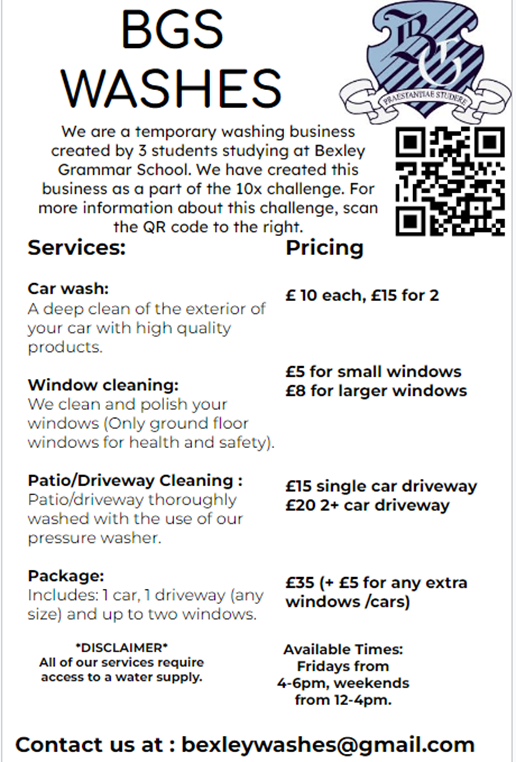
 Year 10 Business Studies students are currently engaged in the 10X Challenge. Each team of around 5 students are pledged £10 for four weeks to get their business idea off the ground. The challenge allows students to put theory into practice, develop their entrepreneurial skills and give them some experience of what it is like to run a business. Students have set up businesses selling goods ranging from bouncy balls to home-made bracelets and services from car washing to garden maintenance (see pictures). We wish them the very best of luck and look forward to hearing all about their experiences after half-term!
Mrs Harris, Head of Business & Economics

Before and after:

Five representatives from this year's Young Enterprise team, Illumina, competed against other school teams in the East London Finals of the Company Programme competition on Monday 22nd April. Students travelled to the BNY Mellon offices in London where they showcased their company. Students had already completed a detailed business report for the competition and needed to set up a trade stand to demonstrate and give information on their product - multisensory candles. The judges interviewed the five representatives at their stand where students explained their inspiration to improve mental health and how they came up with such a fantastic idea. They were then taken off to a separate interview room where judges more formally questioned them on the Company Programme process, their finances, experiences and next steps. After that, the team were greeted by other members of the team and parents who had travelled to London to show their support. Finally, the team needed to give a presentation to everyone at the event. They were the last to present but soon had the audience participating in finding hidden leaflets stuck to the bottom of their chairs to demonstrate the sheer number of people affected by a mental health problem. They did an excellent job of keeping their cool throughout the day. The most prestigious award - Best Company - was given to Illumina! The team were commended on their performance in all aspects of the competition and judges felt that this was a high-quality, professional product that could be a real success in the future.

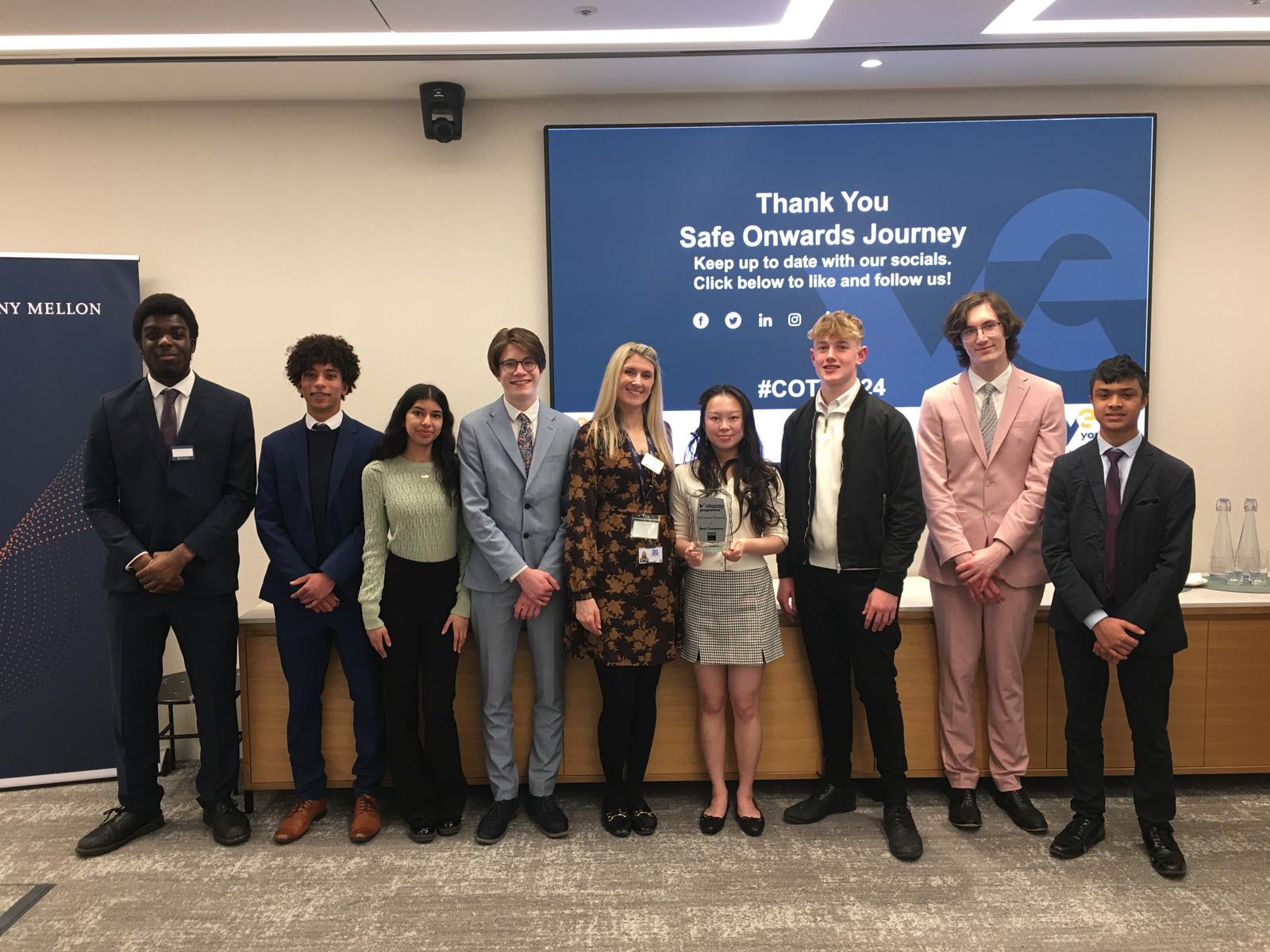
Well done to the representing students; Max Campbell, Evie Ngyuyen, Luke Winter, Jasreen Ghag and Ethan Abbate for their exceptional performances and hard work in the lead up to this event. They represent a large team who are also responsible for the ideas, acumen, marketing and production in the business. The team has been competently led by Max, who has shown tremendous resilience throughout the process, and we're glad that he was recognised for his diligence in this way. A big thank you to Max's parents, who have been pillars of support for the team, from turning their house into a candle production factory to driving heavy stock all over London for their various events to helping students improve their marketing skills - we are all very grateful.
Illumina is going on to compete in the next stage of the competition in May, and we wish them all the very best of luck.
Mrs Harris, Head of Economics and Business

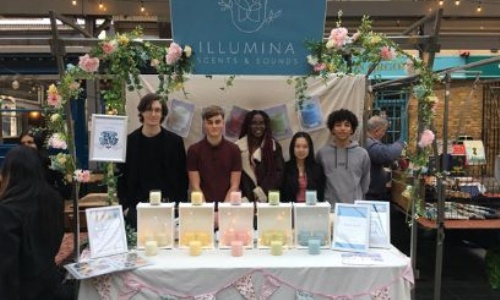
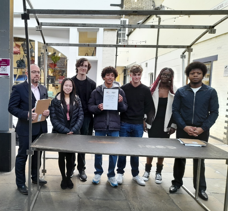
Last Wednesday, five members of the Young Enterprise Team went to Greenwich to compete against 15 different other schools based in London, at the prestigious Greenwich Market. With the team arriving at 9:30am, we were all excited about the day of trading we had ahead of us. We had prepared our stall with all of our handcrafted candles all on display, ready for the fair's opening at 10am. As the day progressed, our stall had sparked the interest of the public passing through the market. With various different customers throughout the day, this resulted in a sale of 26 candles, with some candles even being sold in French by one of the members of our team. As the day progressed, the judges had started coming around to inspect each of the stalls at 1pm. Keen to impress, we were prepared for any questions which we would be faced with. Once the judges arrived at our stall we confidently answered all questions regarding Illumina (our brand) whilst also showing off our unique selling point of our spotify codes linking to our curated playlists for our various different candles. Following the judges asking questions about our business, our team was in good spirits for the awards which followed at 2:30pm. Feeling confident, we were delighted that our team had won the ‘best product’ award. As a result of this achievement, we now look forward to the next upcoming competitions and sales where we can compete against other schools, showing off our popular candles whilst also having the opportunity to sell.
Fintan Fallon, Year 12
.jpg)
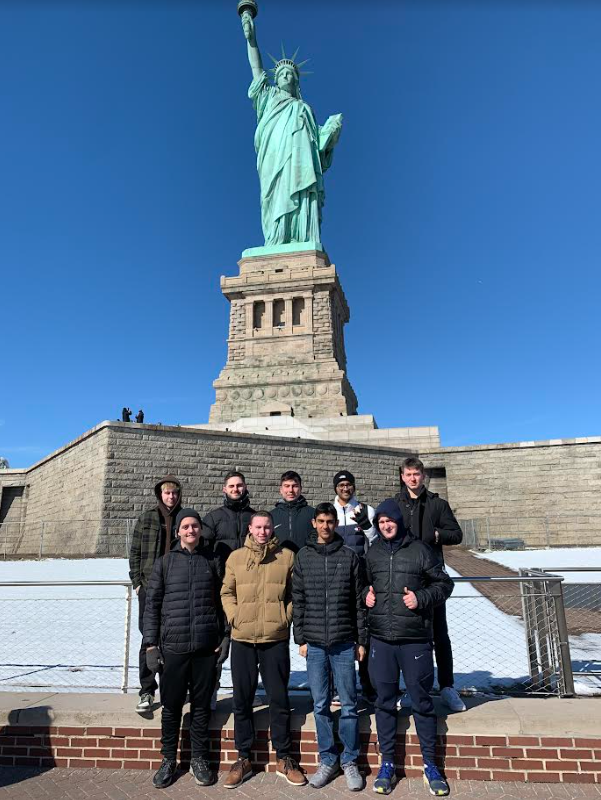
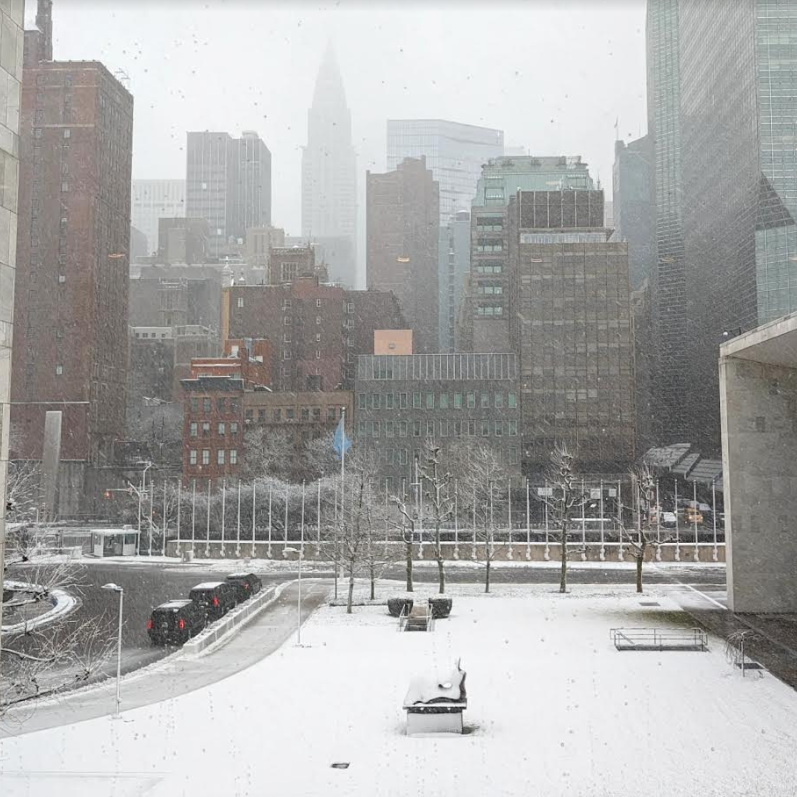
On the 9th February, the Business and Economics department took 33 students to the United States of America. We flew into Washington and visited the iconic sites of the US Capitol, the White House, the Smythsonian museums and the Lincoln Memorial. We then took a coach to Philadelphia, where we were able to view the Liberty Bell and the famous Rocky steps and statue before heading off to New York. There we walked around Manhattan, took a ferry to the Statue of Liberty, went to the top of the Empire State Building, toured the Financial District and ground zero and battled through a snowstorm to visit the United Nations Headquarters. We also ate our weight in chocolate at the Hershey’s Chocolate World tour, listened to the 9/11 stories from firefighters at the FDNY store, posed with police officers at the Brooklyn 99 HQ in Brooklyn, rode the carousel at Central Park, cheered for players at the Brooklyn Nets basketball game and hung out with minor celebrities in Times Square. To be able to travel with this group was an absolute pleasure - they were inquisitive, excitable, friendly and incredibly well-behaved. They did their research and made sure they experienced everything these cities had to offer - I’ve never had a group want to retire to their beds so early, ready for the array of activities of the next day. This was a trip to remember for a lifetime!
Mrs Harris, Head of Business and Economics
 After an 8-hour flight, we landed in Washington where we rested our heads before heading off to the Capitol Building. We were given an incredibly detailed and interesting tour, learning the basis of the US Justice and Government system. We also walked along The Mall, seeing the Lincoln Memorial, Martin Luther King Jr's Memorial, the Vietnam Memorial and the White House to name a few. My friend and I also had time to look around the American History Museum, seeing Dorothy's red shoes and Jonny Coltrane's saxophone!
Soon enough, we were driving to New York and on the way we made a quick pit-stop in Philadelphia, where we ran up the Rocky Steps and saw the Liberty Bell. Mrs Harris then let us eat lunch in this amazing food market and many of us tried a 'Philly' cheese steak, which was delicious. As we drove into Manhattan, we all screamed the lyrics to Empire State Mind, and we were so excited to start exploring New York City. The organised activities included a guided tour of the United Nations and the Hershey Store, as well as an evening trip up to the top of the Empire State Building. We also visited The Statue of Liberty and the Immigration Museums and got very cold on the ferries to and from the Islands! One evening, we saw an American basketball game, which was such a cool experience that I'll never forget. The trip was amazing as we were given enough freedom to do our own things, with Beth and I seeing 'Six' the Musical on Broadway and trying out New York's fast food and restaurants. Overall, the trip was an incredible experience and I can't wait to go back soon!
Rosie Barnwell, Year 13
The US trip was nothing short of amazing. I had no idea what to expect, having never been to America before, but I was very impressed with the tall skyscrapers and the rich history of a country that is so young in comparison to our own. I was, however, less impressed with the price of everything over there. I was shocked when the cashier at McDonald’s told me my meal would cost $22! I was very invested in the visit to the Capitol building and Ellis Island as it felt so surreal to step foot into places I’d only ever seen on TV, as well as enjoying the hospitality of the American people, which is an accurate stereotype as everyone is so friendly and helpful over there.
While I did enjoy my time in Washington and Philadelphia, I would have to say New York was the best part of the trip. Visiting Times Square and the Empire State Building were lifetime experiences that I will definitely always remember, but a special mention has to go to my trip to Little Italy with Sophie. Unfortunately, we were unable to find authentic Italian food or people (sorry Ms Martucci and Mrs Giglione, we really tried!) However, it was a very telling experience about how America has developed as an immigrant nation and how it really is a melting pot of different cultures.
Overall, I really liked my experience in the US and am very grateful to the Business and Economics department for organising such a spectacular and special experience, especially thankful to Mrs Harris for spearheading the trip (and Mr Cheuk for joining at the last minute and being exceptionally talented at locating lost items).
Dionis Zaimaj, Year 13
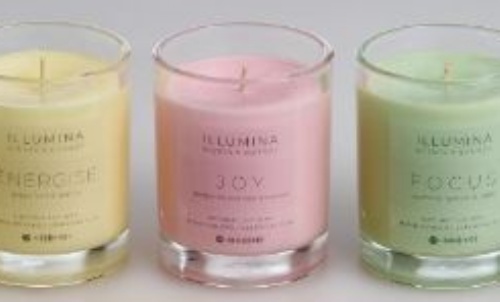
The BGS Young Enterprise team has been working hard to create our business product. Our dedicated team of young innovators have developed high-quality candles. However, our candles are not like any other candles…
Introducing ‘Illumina’, mood-sensory candles prepped with Spotify QR codes that can conveniently transport you to carefully curated playlists that link to the mood of the candle you buy. Scan, play and let the playlist match your candle's mood!
Some examples of these moods are: Joy, Calm, Nostalgia, Energise and Focus. Therefore, give you a reason to light a candle at every moment! For when you’re bursting with energy or when you need a moment to relax or even if you need instrumental sound to help you revise.
Each candle is a work of art, elegantly crafted with a soft, pastel colour range and, most importantly, access to playlists perfectly synced to your selected mood.
Old Spitalfields Market on Tuesday 27th February
Greenwich Market on Wednesday 13th March
BGS Young Enterprise Marketing Team

 The Young Enterprise team has been busy creating more candles for their upcoming market stalls. If you’re in the area, pop in and see them at Old Spitalfields market on Tuesday 27th February or Greenwich Market on Wednesday 13th March.
 The team has been lucky enough to benefit from the guidance of their business advisor, ex-BGS student Henry Wong. Henry was once the Managing Director of a Young Enterprise team here and is now a Developed Markets Equity Analyst at HSBC. He has been meeting with the team on a regular basis to get updates, help with goal setting and guide the team. Henry is pictured below with some of the team at one of their team meetings.
Mrs Harris, Head of Business Studies & Economics

L-R Amandeep Shergill, Lydia Forsdyke, Libby Garrod-Jobbins,
Mario Rodriguez-Nunez Muno
This was our second trade fair, and we had the opportunity to sell our bath boxes and tote bags at Greenwich market! We improved our trade stand from the previous market and changed our product in order to market it at a higher price. We had another successful market day and all managed to improve our sales skills and meet lots of new people who were part of the Young Enterprise Company Programme. The market was less busy, but we still managed to break even and make a profit!


Please scan the QR code to keep up to date with Pothos on instagram and tiktok!
Libby Garrod-Jobbins, Year 12
The BBC have reported on the Spitalfields event the Young Enterprise team attended a couple of weeks ago. Here is the link:
https://www.bbc.co.uk/news/av/business-60710925
Mrs Harris, Head of Business & Economics